Propulsion
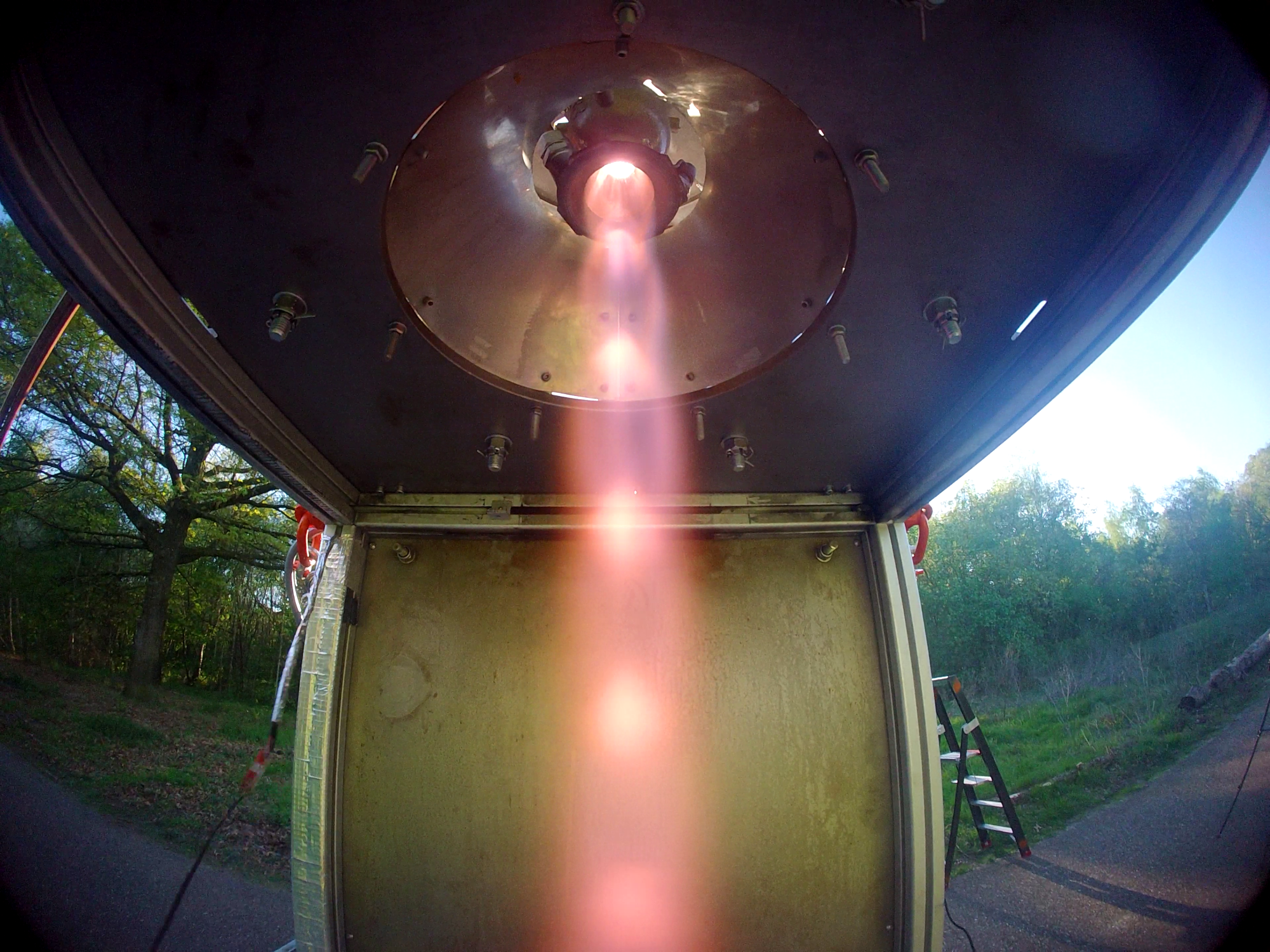
The propulsion subteams primary aim is to develop and test the NOVA-2 engine. This is the engine that is to be used in both the Jackalope and Ignis rockets. It is a regeneratively cooled engine burning liquid oxygen (LOX) and ethanol, it is capable of variable thrust and a burn time of up to 90 seconds. The engine should produce around 1.2 kN of thrust, this means that weight plays a key role in the design and flight of the rocket. To achieve this thrust, the Propulsion team lead has decided to implement a pressure fed system with a chamber pressure of 20 bars and tank pressure of 40 bars. The NOVA-2 engine is still frequently being tested and developed, the team is learning directly from the earlier NOVA-1 prototype. Propulsion functions as the core around which the rest of the vehicle is designed, since every decision ultimately has to accommodate the engine at its center.
Structure
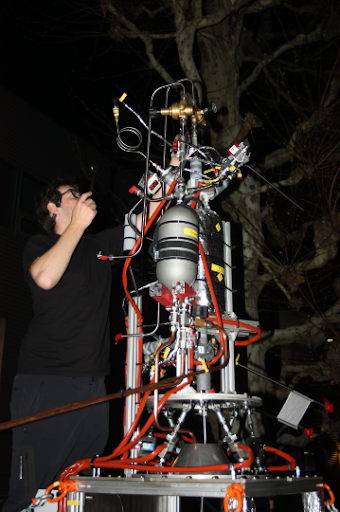
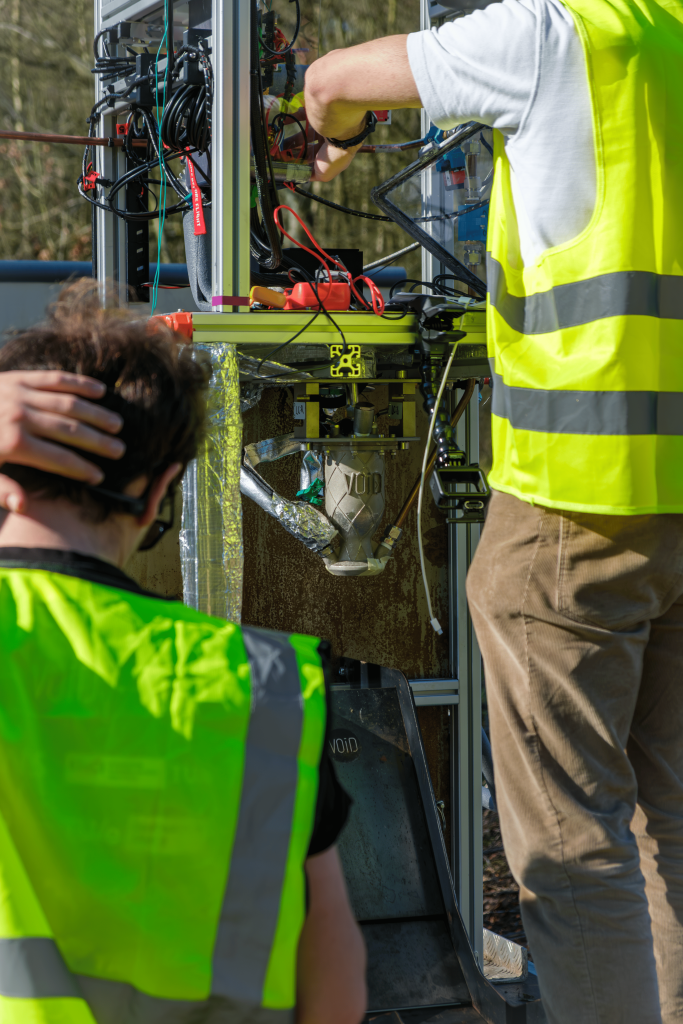
The Structure team is split into two separate teams, one side works on IGNIS while the other works on Jackalope. The previously existing Ground Systems subteam was also absorbed into Structure. responsible for the frame of the rocket, crucially its weight which dictates most of the structural design choices. By using simulations of the flight path, the structure team is able to understand the response of the frame to the violent stresses induced by flight and the engine, playing a role in the design of the rocket. Secondly, recovery is another key area of the structure teams work, specifically the parachute ejection system which will play a key role in retrieving IGNIS after its flight safely without damaging it. Most recently, the structure team has completed testing of a new valve assembly, the pressurizer system and manufactured the carbon fiber fins assembly.
Avionics/Electronics
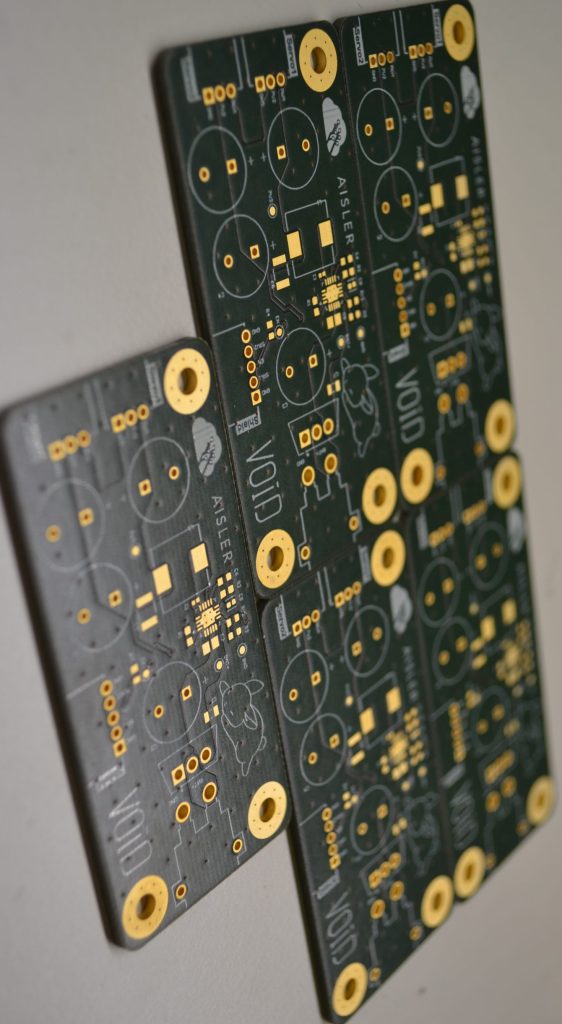
Avionics and Electronics are two seperate subteams. Avionics work is centered around Jackalope while Electronics works for IGNIS. Both teams are responsible for developing all the software and electrical components for gathering data in flight as well as on the ground while testing and after recovery. Avionics is focused on the sensors and computing hardware that let a vehicle understand its own state in flight and relay that information back to the ground, complementing the control algorithms developed by GNC. Within the team, Avionics turns physical measurements into the data streams that the Jackalope depends on. The flight computer is the most critical area that Electronics and Avionics work on, including the code base it uses . Most recently, Avionics have implemented a new state estimator and designed a new FPG system. While Electronics has been engaged in testing a new pyrotechnic board, an upgraded acquisition board and a servo activation board.
Guidance Navigation and Control
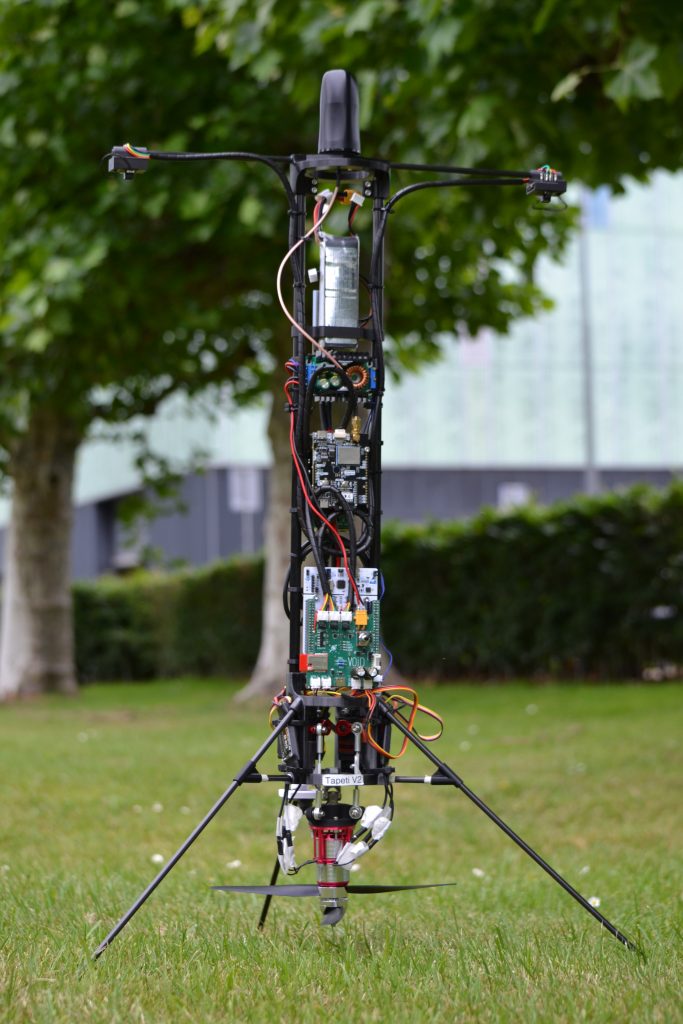
Landing a rocket is often described as a guidance problem. In reality, it starts with a navigation problem of knowing exactly where you are, how fast you’re moving, and where you’ll be next. VOID requires systems capable of operating reliably throughout all phases of flight. At the core of this lies state estimation, combining information from multiple sensors into a single, consistent picture of the vehicle’s state. GNC work mainly involves Tapeti, which is our TVC (Thrust Vector Control) dual-propeller drone designed as a testing platform for Jackalope. This drone allows us to test the algorithms that will eventually fly the Jackalope hopper in a safe, rapidly testable way. Recently, the team began the flight campaign of Tapeti. These flights will provide the team with valuable amounts of data that will be used to improve the dynamic models of Jackalope.
Business and PR
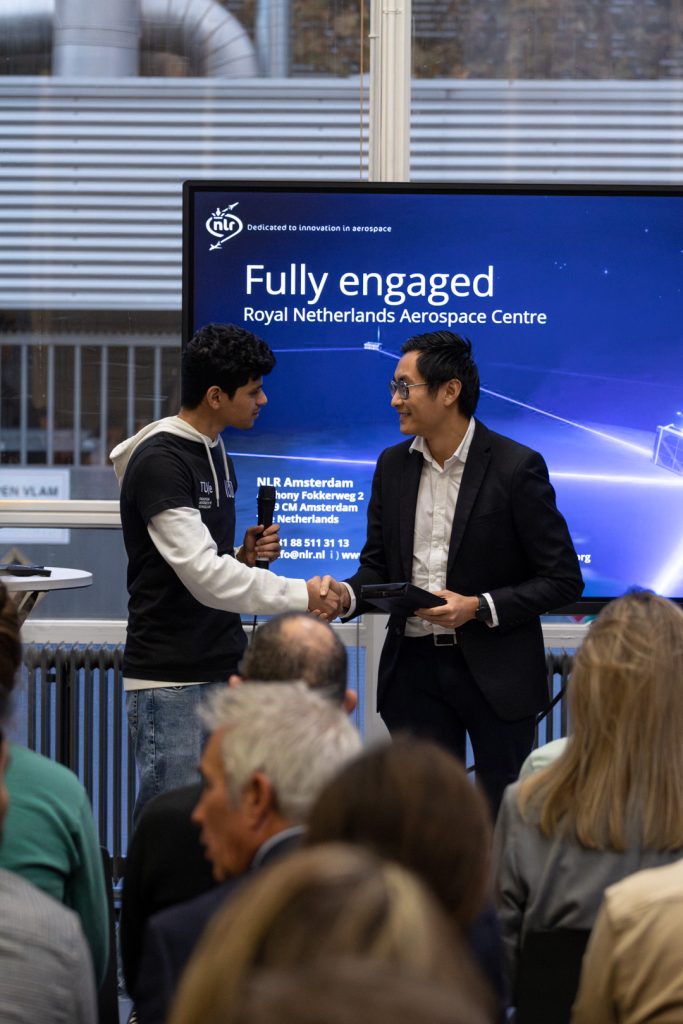
Business and PR are responsible for managing the internal and external affairs for the team. This includes attracting and maintaining sponsorships and industry relationships, Social media including LinkedIn and Instagram, attending university and company events and website upkeep. This is a crucial to task to any team but specifically important to our goal of democratising space access.