
Our Mission
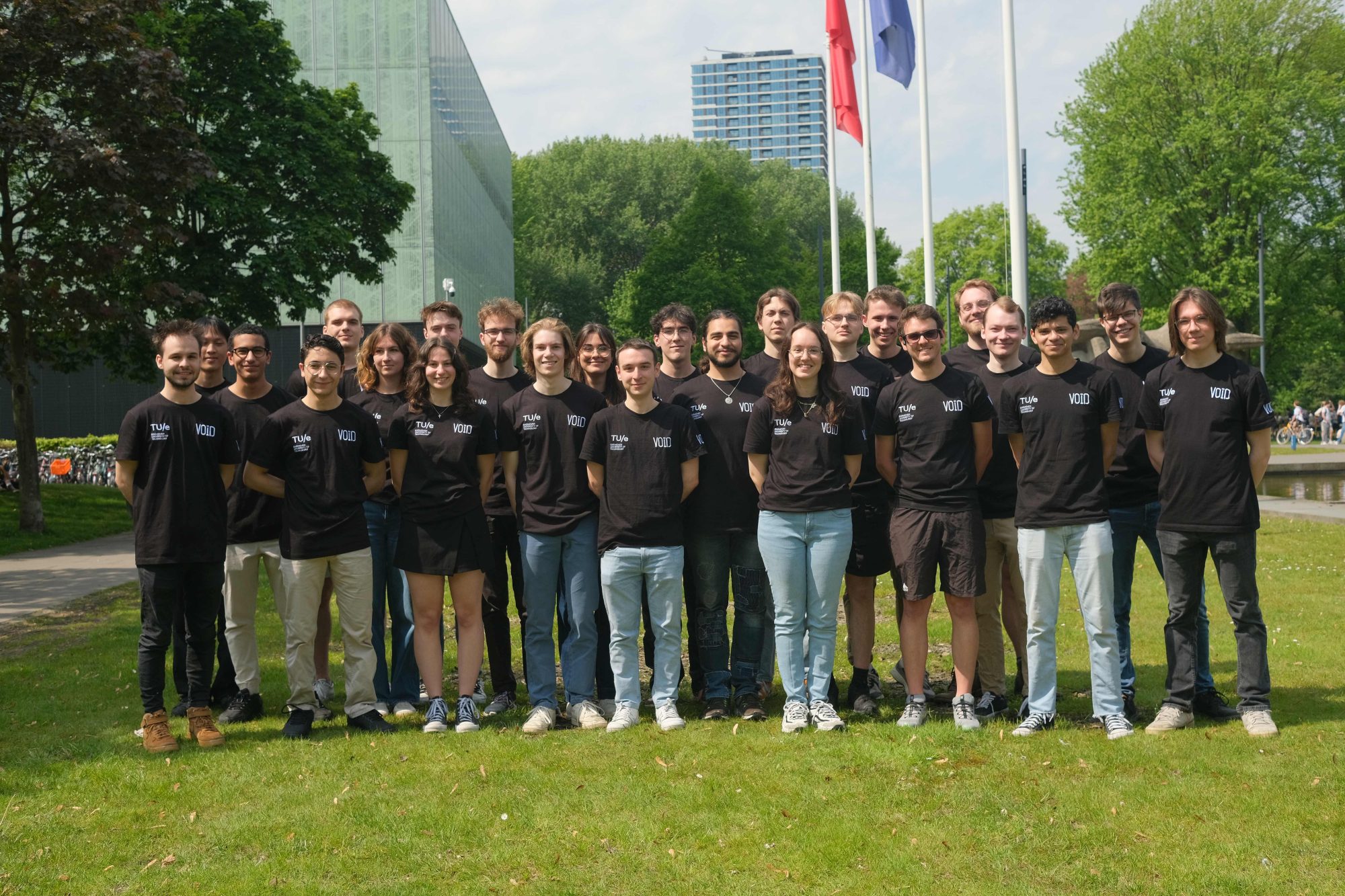
VOID develops reusable, student-built rockets and precision flight systems, to democratize access to space and advance European technological sovereignty and innovation in aerospace. Through iterative design processes and low-cost experimentation, we create reliable propulsion, avionics, and guidance technologies while training the next generation of aerospace talent.
Our Motivation
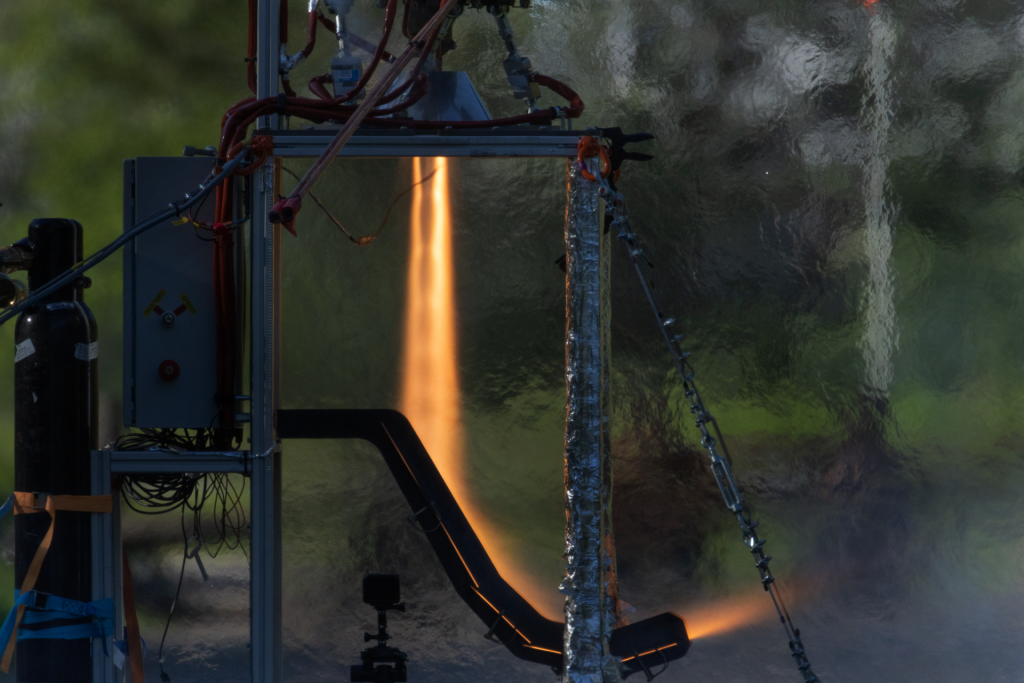
VOID believes that space exploration is a deeply meaningful and worthwhile endeavour. Today, it provides thousands of benefits to everyday people, ranging from GPS, to communications infrastructure, to countless technologies developed as a result of investment in space technologies. That said, in the long arm of history, we at VOID believe that space exploration will take a more preeminent role in expanding and reopening the frontier of human exploration, unlocking vast resources and space for industry and settlement, and help us answer deeply-held questions about the nature of the universe and our place in it. To progress towards these ideals, access to space must be routine, cheap, and distributed. We believe that technical organizations such as VOID have an important role to play in such a future – they contribute by training up talent, developing innovative technologies and processes, and increasing the exposure and breadth of the sector as a whole.
Our History & Progress
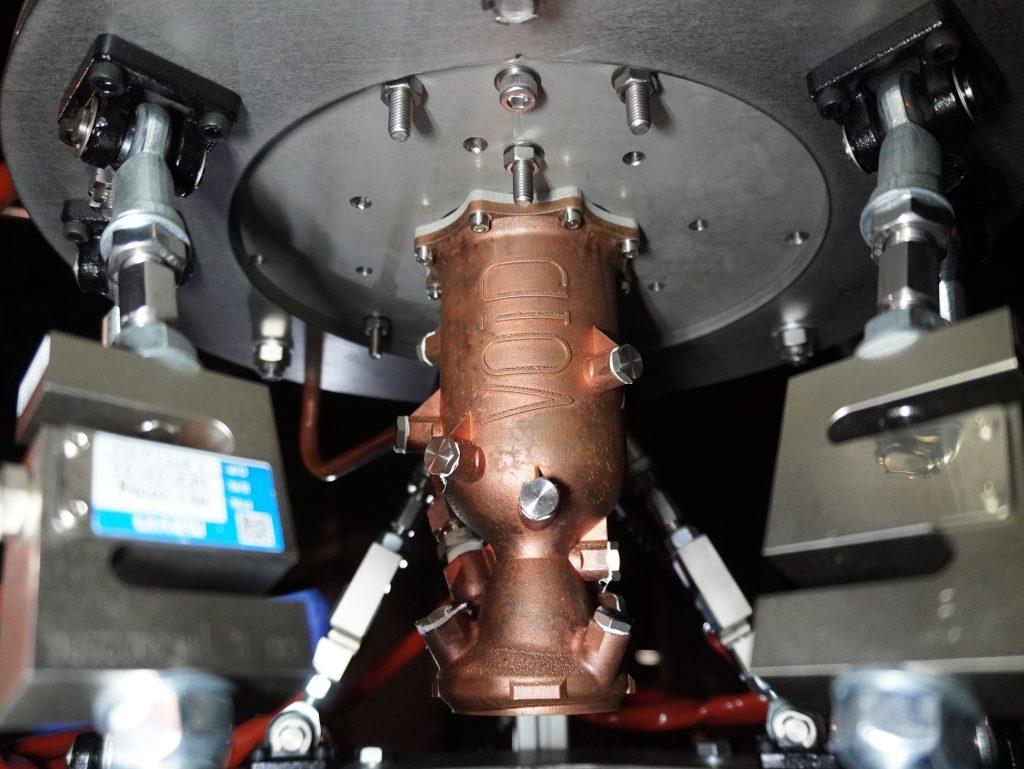
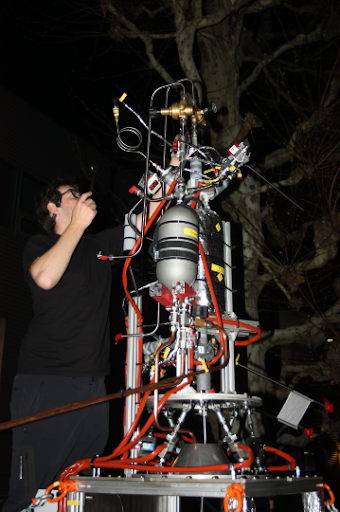
VOID has made massive progress since its humble beginning in September 2023. The concept began as a project dedicated towards filling the substantial gap in the reusable launcher sector in the EU. The NOVA-1 project marked an important step in our journey to develop advanced liquid bi-propellant rocket engines. Designed as a prototype and learning platform, NOVA-1 has provided our team with hands-on experience in engine development, including real-world testing and troubleshooting. By March 2024, the team had expanded from 8 members to 30 to facilitate the development of project Ignis and the inception of NOVA-2. The new engine came with massive improvements from its predecessor, in its first December 2025 it generated over 100 kilograms of thrust. Since then 2 more NOVA-2 test fires have been completed, with each one providing the team with the information necessary to seamlessly refine the hardware and continue to improve metrics. As the team became more and more ambitious, Jackalope and Tapeti development began in November 2024. In Jackalope, by reusing infrastructure from our Ignis vehicle, Jackalope for significantly reduced research and development time while ensuring component reliability. We plan to incorporate enhancements like precise throttle control, landing legs, a new flight computer, and accurate landing guidance. Overall, despite the height of VOID’s ambitions and the enourmous difficulty of the path ahead, we are eager to continue striding towards our goals and can’t wait to see what we can achieve going forward.
Q & A
▼ How does VOID's propulsion, GNC, and landing work serve practical aerospace applications?
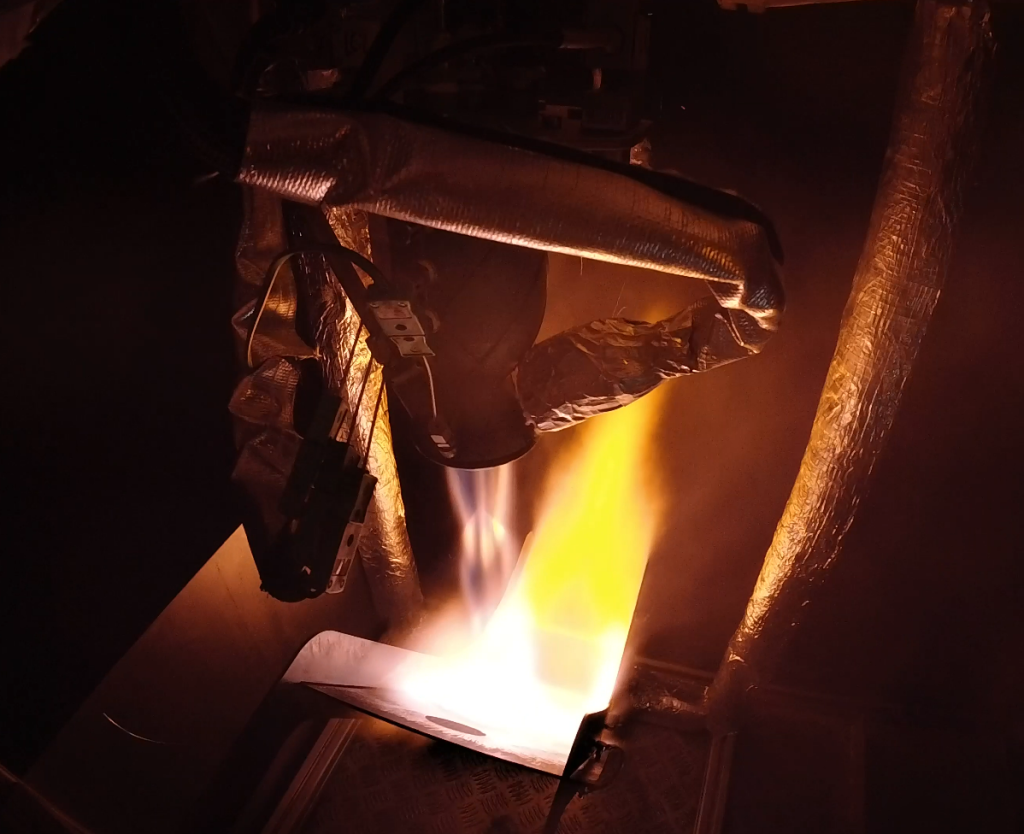
VOID develops low-cost, precision flight-control software and conducts R&D on propulsion systems and avionics for dynamic environments, aimed at reusable launch vehicles.
▼ Why is VOID a low-cost, low-risk testbed for emerging aerospace technologies?
VOID develops cost-effective solutions led by passionate students. The team uses a rigorous, iterative engineering process and thorough systems-engineering practices to achieve results comparable to industry standards at a fraction of the cost.
▼ How does supporting VOID strengthen European technological sovereignty and innovation in aerospace?
VOID trains the next generation of engineers and produces local talent. Our ongoing research can incubate larger projects and give aerospace partners cross-industry exposure and new market opportunities. Collaboration with student teams allows organizations to achieve Corporate Social Responsibility (CSR) goals in a mutually beneficial arrangement while contributing to European technological sovereignty and aerospace innovation.
▼ How can partners gain early access to aerospace talent?
VOID is a multinational student organization where BSc and MSc students from varied backgrounds and nationalities work toward a common goal. This environment trains engineers in communication and teamwork while they apply and improve their technical abilities by designing and building complex aerospace systems. Partners gain direct access to motivated, hands-on engineers with real-world experience in rockets, autonomous systems, and integrated aerospace projects.